
Your roof is one of the most critical components of your home, yet it’s often out of sight and out of mind until something goes wrong. Over time, exposure to weather, temperature changes, and natural wear can lead to a variety of issues that affect both performance and safety. The key to avoiding costly damage is understanding the most common problems and addressing them early.
By learning what to look for and how to respond, homeowners can extend the life of their roof, protect their property, and make informed decisions when repairs or upgrades are needed. The following guide breaks down the most frequent roofing concerns and provides practical, actionable solutions.
1. Spot Early Warning Signs Before They Become Major Issues
Catching roofing problems early can save you thousands of dollars and prevent more serious structural damage. Many issues start small and go unnoticed until they escalate into leaks or widespread deterioration.
Common warning signs to watch for include:
- Missing, curled, or cracked shingles
- Dark streaks or discoloration on the roof surface
- Sagging areas or uneven lines along the roof
- Water stains on ceilings or walls inside the home
It’s also important to inspect your attic periodically. Look for:
- Damp insulation or visible moisture
- Mold or mildew growth
- Sunlight coming through the roof boards
If you notice any of these signs, it’s wise to contact a roofer for a professional assessment. A trained expert can identify underlying issues that may not be visible from the ground.
Many residential roofing companies offer inspection services that provide a detailed overview of your roof’s condition. These inspections often include photos, recommendations, and cost estimates, helping you plan your next steps with confidence.
Proactive inspections—especially after severe weather—can make the difference between a minor fix and a major repair.
2. Fix Leaks Quickly to Prevent Structural Damage
Roof leaks are among the most common and damaging problems homeowners face. Even a small leak can lead to significant issues if left untreated, including rot, mold growth, and compromised structural integrity.
Typical causes of leaks include:
- Damaged or missing shingles
- Cracked flashing around vents or chimneys
- Worn sealant in vulnerable areas
- Clogged valleys where water collects
If you notice water intrusion, act quickly. Temporary fixes—like applying a tarp or sealant—can help minimize damage, but they should not replace a permanent solution.
Professional roof repairs are often necessary to fully resolve the issue. A qualified technician can:
- Locate the exact source of the leak
- Replace damaged materials
- Reinforce surrounding areas to prevent recurrence
Working with a local roofing company ensures faster response times, especially during emergencies. Local professionals are also familiar with regional weather conditions and common roofing challenges, making their solutions more effective.
Prompt action not only protects your home but also prevents the problem from spreading to other areas.
3. Address Shingle Damage and Material Wear Effectively
Over time, roofing materials naturally degrade due to exposure to sun, wind, and rain. Shingles may lose granules, crack, or become brittle, reducing their ability to protect your home.
Signs of material wear include:
- Granules accumulating in gutters
- Bald spots on shingles
- Increased susceptibility to wind damage
When addressing these issues, it’s important to use high-quality roofing supply products that match your existing materials. This ensures consistency in both performance and appearance.
In some cases, upgrading materials may be a better long-term investment. For example, options available through metal roofing supply can offer increased durability, energy efficiency, and resistance to extreme weather conditions.
When deciding between repair and replacement, consider:
- The age of your roof
- The extent of the damage
- Your long-term plans for the property
Replacing small sections can extend your roof’s lifespan, but widespread damage may require a more comprehensive solution.
4. Prevent and Repair Poor Drainage and Water Pooling
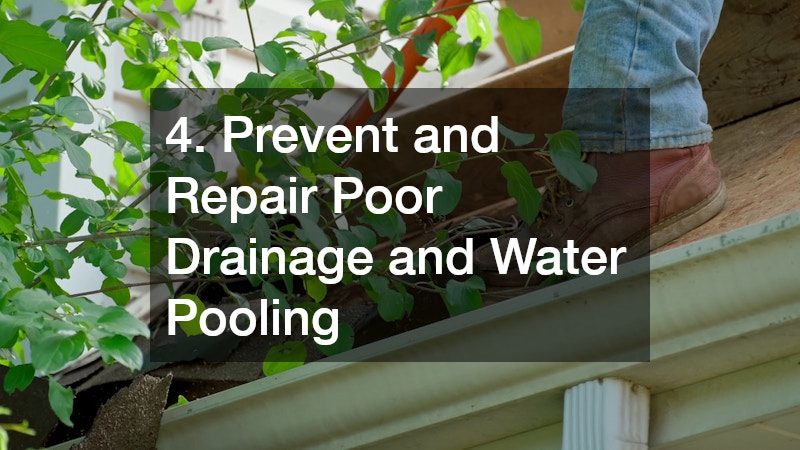
Proper drainage is essential for maintaining a healthy roof. When water doesn’t flow off efficiently, it can pool in certain areas, leading to leaks and structural damage.
Common causes of drainage problems include:
- Blocked gutters and downspouts
- Improper roof slope
- Debris buildup in valleys
Regular maintenance is key. Make it a habit to:
- Clean gutters and remove debris
- Check for sagging or misaligned sections
- Ensure downspouts direct water away from your home
If drainage issues persist, it may be necessary to consult roofing contractors. They can evaluate your roof’s design and recommend solutions such as:
- Adjusting slopes or adding drainage systems
- Installing additional flashing or waterproofing layers
- Reinforcing structural components
In more complex cases, the issue may be related to the residential roof truss system. Addressing these underlying problems ensures long-term stability and prevents recurring water damage.
5. Handle Storm Damage With a Clear Action Plan
Severe weather can cause immediate and visible damage to your roof. High winds, hail, and falling debris can all compromise its integrity.
After a storm, inspect your roof for:
- Missing or displaced shingles
- Dents or impact marks
- Debris accumulation
Document any damage with photos, as this can be helpful for insurance claims. Then, contact a reputable roofing company for a professional evaluation.
Depending on the severity of the damage, you may need anything from minor repairs to a full roof replacement. A professional can help you determine the best course of action based on the condition of your roof.
When working with contractors:
- Ask for a detailed estimate
- Confirm timelines and materials
- Verify licensing and insurance
Having a clear plan in place allows you to respond quickly and minimize further damage.
6. Improve Ventilation to Extend Roof Lifespan
Proper ventilation plays a crucial role in maintaining your roof’s health. Without adequate airflow, heat and moisture can build up in the attic, leading to a range of problems.
Signs of poor ventilation include:
- Excessive heat in the attic
- Moisture buildup or condensation
- Ice dams form in colder climates
Improving ventilation may involve:
- Installing ridge vents or soffit vents
- Adding attic fans
- Ensuring insulation is properly placed
A professional roofer can assess your current setup and recommend improvements tailored to your home.
Many residential roofing companies specialize in ventilation upgrades, helping homeowners improve energy efficiency while extending the lifespan of their roofs.
Better ventilation not only protects your roof but also enhances overall indoor comfort.
7. Repair Flashing and Seal Vulnerable Roof Areas
Flashing is used to seal joints and prevent water from entering vulnerable areas of your roof. Over time, flashing can deteriorate, crack, or become loose, creating entry points for moisture.
Common areas where flashing issues occur:
- Around chimneys
- Near skylights
- Along the roof valleys
- Around vents and pipes
Addressing these issues promptly is essential. Using high-quality roofing supply materials ensures a durable and effective repair.
Steps to fix flashing problems:
- Remove damaged or corroded sections
- Install new flashing securely
- Apply sealant to reinforce the area
While some minor fixes can be handled independently, more complex repairs should be left to roofing contractors. Their expertise ensures proper installation and long-lasting results.
Maintaining flashing is a small but critical part of protecting your roof from water damage.
8. Address Structural Weaknesses Before They Worsen
Structural issues can compromise the safety and stability of your entire roof. These problems often develop gradually and may not be immediately visible.
Warning signs include:
- Noticeable sagging
- Cracks in interior ceilings
- Doors or windows that no longer close properly
In many cases, these issues are linked to a weakened residential roof truss system. Addressing the root cause is essential to prevent further damage.
Possible solutions include:
- Reinforcing existing supports
- Replacing damaged components
- Improving load distribution
If the damage is extensive, a full roof replacement may be necessary. While this is a significant investment, it ensures the long-term safety and functionality of your home.
Consulting experienced professionals helps you make informed decisions about the best course of action.
9. Maintain Your Roof With Routine Inspections and Cleaning
Regular maintenance is one of the most effective ways to prevent roofing problems. By staying proactive, you can identify and address issues before they escalate. Small concerns—like a loose shingle or minor debris buildup—can quickly turn into larger, more expensive problems if ignored, so consistency in upkeep is essential.
A basic maintenance routine should include:
- Inspecting your roof at least twice a year: Perform checks in the spring and fall to catch seasonal damage. Look for missing shingles, cracked flashing, or any areas that appear uneven. It’s also a good idea to inspect after major storms, even if no issues are immediately visible.
- Cleaning gutters and removing debris: Leaves, branches, and dirt can clog gutters and prevent proper water drainage. When water backs up, it can seep under roofing materials and cause damage over time. Keeping gutters clear ensures water flows safely away from your home.
- Checking for signs of wear or damage: Pay attention to subtle indicators like granules in gutters, discoloration, or soft spots. These can signal that materials are beginning to deteriorate and may need attention sooner rather than later.
Scheduling inspections with a local roofing company provides an added layer of protection. Professionals can spot issues that may be missed during a casual inspection. They also have the tools and experience to safely assess areas that are difficult to access, such as steep slopes or high sections.
Routine roof repairs—such as replacing damaged shingles or sealing small leaks—help maintain your roof’s integrity and extend its lifespan. Addressing these minor fixes promptly prevents them from spreading and reduces the likelihood of more extensive damage.
Consistency is key. A well-maintained roof performs better and requires fewer costly repairs over time. Keeping a simple maintenance log or setting reminders can help ensure inspections and cleanings are done regularly, making it easier to stay on top of your roof’s condition year-round.
10. Choose the Right Professionals for Long-Term Solutions

Selecting the right professionals is essential for ensuring quality work and long-lasting results. Not all contractors offer the same level of expertise, so it’s important to do your research. Taking the time to properly vet your options can help you avoid costly mistakes, poor workmanship, and unnecessary delays.
When evaluating roofing contractors, consider:
- Experience and certifications: Look for professionals who have a proven track record with projects similar to yours. Certifications from manufacturers or industry organizations often indicate specialized training and a commitment to quality standards.
- Customer reviews and references: Online reviews can provide insight into reliability, communication, and overall satisfaction. Don’t hesitate to ask for references and speak directly with past clients to learn about their experiences.
- Warranty options and service guarantees: A strong warranty reflects confidence in both materials and workmanship. Make sure you understand what is covered, how long the coverage lasts, and what steps are required to maintain it.
Ask detailed questions about:
- Materials and installation methods: Understanding what products will be used and how they will be installed helps you gauge the durability and performance of your roof. It also ensures there are no surprises once the project begins.
- Project timelines: Clarify start and completion dates, as well as any factors that could cause delays. A clear timeline helps you plan accordingly and sets expectations for both parties.
- Cleanup and follow-up services: A professional team should leave your property clean and safe after the job is done. Ask whether debris removal, final inspections, and post-project support are included.
Working with a reputable roofing company provides peace of mind and ensures your investment is protected. Established companies are more likely to follow proper procedures, use quality materials, and stand behind their work if issues arise.
Building a relationship with a trusted roofer can also be beneficial for ongoing maintenance and future projects. Having a reliable expert to call when issues arise saves time and reduces stress. Over time, this relationship can lead to better service, quicker response times, and a deeper understanding of your home’s specific needs.
Conclusion
Roofing problems are a natural part of homeownership, but they don’t have to be overwhelming. By understanding common issues and taking proactive steps to address them, you can protect your home and avoid costly repairs. From routine maintenance to professional assistance, every effort you make contributes to a stronger, more reliable roof.
Staying informed and acting quickly when problems arise ensures your roof continues to perform its essential role—keeping your home safe, secure, and comfortable for years to come.