
A properly functioning air conditioning system is essential for maintaining comfort, especially during periods of extreme heat. When your AC suddenly stops working, it can quickly turn your home into an uncomfortable environment. Fortunately, most cooling problems stem from common and identifiable issues. Understanding these causes can help you determine whether a simple fix will solve the problem or if professional ac repair is necessary.
This article explores the most frequent reasons air conditioners fail and offers insight into how these problems can be resolved efficiently.
Why Is My AC Not Cooling?
Clogged or dirty air filters are a leading cause of poor cooling performance. Over time, dust, dirt, and debris accumulate in the filter, restricting airflow.
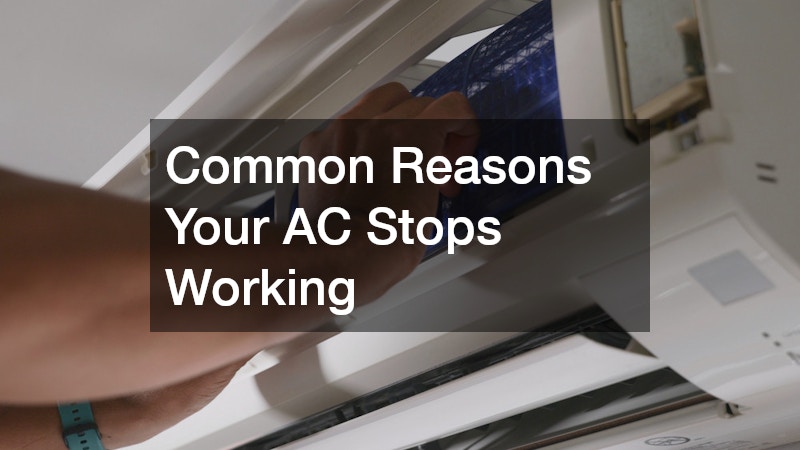
When airflow is limited, your AC system must work harder to circulate cool air throughout your home. Restricted airflow not only reduces cooling efficiency but can also cause the evaporator coil to freeze. This further impairs performance and may eventually require professional ac repair if left unaddressed. Regularly replacing or cleaning your air filters—typically every one to three months—can prevent this issue and improve overall system efficiency.
Refrigerant plays a crucial role in absorbing heat from indoor air and releasing it outside. If your AC has a refrigerant leak, the system will struggle to cool effectively. Low refrigerant levels can cause longer cooling cycles, higher energy bills, and insufficient temperature control. Refrigerant leaks should always be handled by licensed professionals. Simply adding more refrigerant without fixing the leak will not solve the underlying issue. Prompt ac repair ensures the leak is properly sealed and refrigerant levels are restored safely and correctly.
Sometimes the issue isn’t with the AC unit itself but with the thermostat. A malfunctioning thermostat may misread indoor temperatures or fail to signal the system to turn on and off properly. Dead batteries, incorrect settings, wiring issues, or outdated models can all cause thermostat problems. Before assuming major system failure, check your thermostat settings and power supply. If problems persist, professional inspection and ac repair may be required to restore accurate temperature control.
Why Is My AC Making Strange Noises?
Rattling, banging, or clanking noises may indicate loose parts inside the unit. Over time, vibrations from normal operation can loosen screws, bolts, or internal components. If left unchecked, these loose parts can cause further internal damage. Addressing loose components early can prevent more serious breakdowns. Scheduling timely ac repair can help tighten or replace affected parts before they lead to costly system damage.
Outdoor condenser units are exposed to the elements, making them vulnerable to dirt, leaves, and debris buildup. Accumulated debris can interfere with fan blades or other moving components, resulting in grinding or squealing sounds. Regular cleaning around the outdoor unit helps maintain proper airflow and prevents unnecessary strain on the system. If debris has already caused damage, professional ac repair may be needed to restore smooth operation.
The fan and motor are essential components that keep air circulating through your AC system. If you hear screeching, buzzing, or humming noises, it could signal motor failure, worn bearings, or damaged fan blades. Motor problems can worsen quickly if ignored, potentially leading to a complete system shutdown. Early diagnosis and professional repair can extend the life of your unit and prevent more extensive damage.
Why Is Water Leaking From My AC?
As your AC cools air, it removes moisture, which drains through a condensate drain line. Over time, this line can become clogged with dirt, algae, or mold. When the drain line is blocked, water backs up and may leak into your home. Clearing the drain line typically resolves the issue, but persistent clogs may require professional ac repair. Routine maintenance helps prevent buildup and keeps drainage systems functioning properly.
Excessive condensation can occur if the evaporator coil freezes and then thaws rapidly. Dirty filters, low refrigerant levels, or airflow restrictions often contribute to this problem. If you notice water pooling around the unit, turning off the system and contacting a technician can prevent further water damage. Addressing the root cause ensures the problem does not return.
Improper installation can lead to drainage problems, uneven positioning, or poor system performance. If the unit is not level, water may not flow correctly into the drain pan and line. Installation errors often require professional correction. Reliable ac repair services can evaluate the setup and make necessary adjustments to ensure proper operation and drainage.
Air conditioners can stop working for various reasons, ranging from dirty filters and refrigerant leaks to mechanical failures and drainage problems. Recognizing the warning signs early allows you to address minor issues before they escalate into major repairs. Routine maintenance, regular filter changes, and prompt professional ac repair when needed can prevent many of these common problems. By staying proactive and attentive to unusual performance changes, you can keep your AC system running efficiently and maintain a comfortable indoor environment year-round.