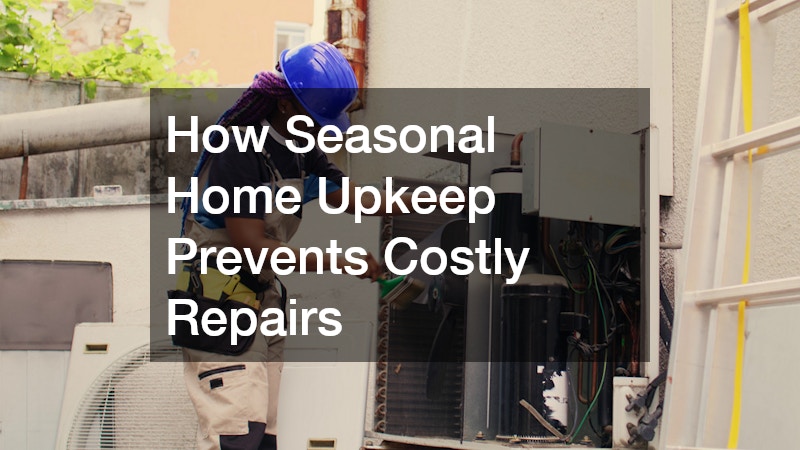

Owning a home comes with a long list of responsibilities, but one of the most important is staying ahead of maintenance. Many homeowners only react when something breaks, leaks, or stops working. Unfortunately, by the time a problem becomes obvious, the repair bill is often much higher than it would have been if the issue had been addressed earlier.
Seasonal home upkeep helps prevent that cycle. By inspecting key systems throughout the year and tackling small concerns before they grow, homeowners can avoid major expenses, improve efficiency, and extend the life of important components throughout the property. Whether it’s preparing for summer heat, winter freezes, or seasonal storms, a proactive approach can make a significant difference in both comfort and cost.
Creating a Seasonal Maintenance Routine
Breaking Tasks Into Manageable Checkpoints
One reason homeowners postpone maintenance is that it feels overwhelming. Looking at an entire property and trying to identify every potential problem can be daunting. Instead, divide upkeep into seasonal checkpoints.
Spring may focus on exterior inspections and drainage. Summer can be dedicated to cooling systems and outdoor structures. Fall is ideal for preparing heating equipment and clearing debris. Winter often centers on protecting plumbing and monitoring weather-related wear.
Creating a simple schedule helps ensure that important tasks don’t get forgotten until they become emergencies.
Keeping Records of What You Find
A maintenance log may seem unnecessary, but it becomes incredibly useful over time. Recording inspection dates, service appointments, and minor repairs creates a history that can reveal patterns.
For example, if a particular area of the home consistently experiences moisture issues after heavy rainfall, you’ll be able to address the root cause rather than repeatedly dealing with symptoms.
Photos are especially helpful. Taking pictures during seasonal inspections allows you to compare changes over time and identify gradual deterioration that might otherwise go unnoticed.
Inspecting Cooling Equipment Before Summer Arrives
Looking Beyond the Thermostat
As temperatures rise, homeowners often assume their cooling system is ready because it worked the previous year. However, months of inactivity can allow minor issues to develop.
Before summer begins, inspect outdoor units for leaves, dirt, and debris. Trim vegetation that may restrict airflow. Inside the home, replace filters and ensure vents remain unobstructed by furniture or storage items.
These simple tasks improve efficiency and reduce strain on equipment.
Recognizing Early Warning Signs
Cooling systems rarely fail without warning. Homeowners who pay attention can often spot problems before they become serious.
Watch for:
- Uneven temperatures between rooms
- Higher-than-normal utility bills
- Strange noises during operation
- Weak airflow from vents
- Increased indoor humidity
Addressing these concerns promptly may help avoid more extensive ac repair work during the hottest part of the year when demand for service is often highest.
Supporting Efficient Climate Control Year-Round
Scheduling Preventive Evaluations
Many homeowners don’t realize how much wear heating and cooling systems experience throughout the year. Components operate under significant stress, particularly during temperature extremes.
Scheduling routine inspections allows professionals to identify worn parts, electrical concerns, refrigerant issues, and airflow restrictions before they lead to breakdowns.
A reputable HVAC company can often identify developing problems that homeowners may not notice during routine use.
Improving Everyday Performance
Not every maintenance task requires professional assistance. Several simple habits help keep systems operating efficiently:
- Change filters regularly.
- Keep return vents clear.
- Monitor thermostat performance.
- Seal air leaks around doors and windows.
- Maintain consistent temperature settings when possible.
These habits not only improve comfort but can also reduce energy consumption throughout the year.
Examining Roof Conditions After Severe Weather
Understanding How Small Damage Escalates
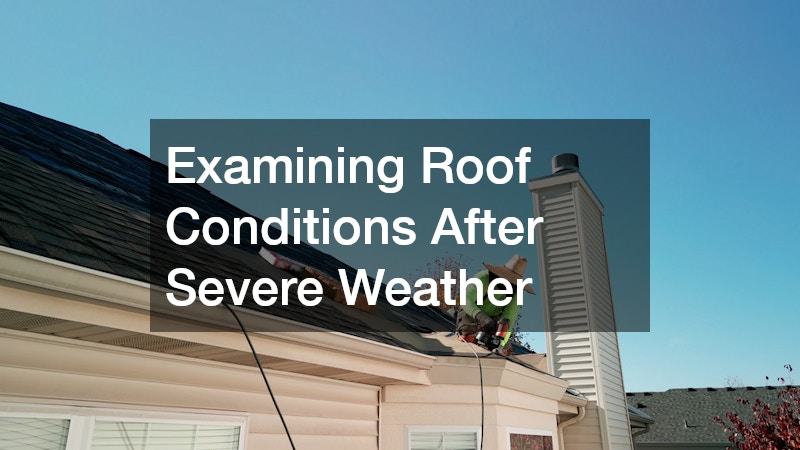
Storms can cause damage that isn’t immediately visible from the ground. A few missing shingles or a small flashing issue may seem insignificant, but water often finds its way into vulnerable areas over time.
What begins as a minor leak can eventually affect insulation, drywall, framing, and even electrical systems.
After significant weather events, perform a visual inspection from a safe location. Look for obvious signs of damage, including displaced shingles, sagging areas, and debris accumulation.
Taking Action Before Leaks Spread
Many homeowners delay addressing roofing concerns because the damage appears minor. Unfortunately, roof systems rarely improve with time.
If you notice water stains inside the home, visible deterioration, or signs of moisture infiltration, professional roof repair should be scheduled promptly.
In situations involving widespread storm damage or aging materials, consulting a qualified roofing contractor can help determine whether repairs or larger corrective measures are appropriate.
Monitoring Plumbing Systems Throughout the Year
Catching Leaks Before They Become Emergencies
Water damage can be surprisingly expensive because it often affects multiple parts of a home simultaneously.
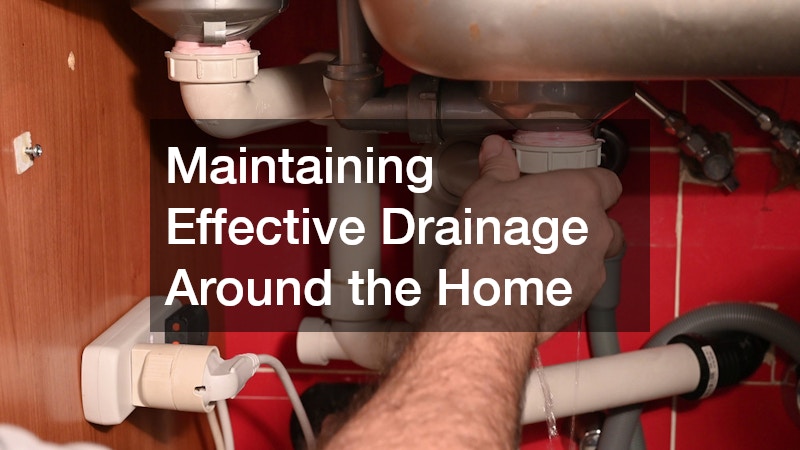
A slow leak beneath a sink may damage cabinetry, flooring, drywall, and nearby structural materials before it becomes obvious.
Several times each year, inspect:
- Exposed pipes
- Water heater connections
- Under-sink plumbing
- Laundry room hookups
- Outdoor faucets
Even small drips deserve attention.
Paying Attention to Subtle Changes
Plumbing problems don’t always announce themselves dramatically. Sometimes the warning signs are gradual.
You may notice:
- Lower water pressure
- Unusual sounds inside pipes
- Slow drains
- Increased water bills
- Moisture around fixtures
Addressing these issues early often prevents more extensive plumbing repair projects later.
Preparing Heating Equipment for Colder Months
Testing Systems Before You Need Them
The first cold night of the season is the worst possible time to discover a heating problem.
A smart homeowner tests heating equipment weeks before temperatures drop significantly. Running the system early provides time to identify unusual sounds, weak airflow, or inconsistent heating.
This proactive approach prevents uncomfortable surprises during severe weather.
Improving Reliability Through Simple Maintenance
Many heating issues stem from neglected maintenance rather than catastrophic equipment failures.
Tasks that improve reliability include:
- Replacing air filters
- Cleaning vents and registers
- Checking thermostat settings
- Removing dust near heating components
- Scheduling annual inspections
These simple actions can significantly reduce the likelihood of unexpected furnace repair needs during peak winter demand.
Maintaining Effective Drainage Around the Home
Understanding the Risks of Poor Water Management
Few systems receive less attention than gutters, yet they play a critical role in protecting a home.
When gutters become clogged, rainwater may overflow and collect near the foundation. Over time, this can contribute to erosion, basement moisture, and structural concerns.
Seasonal cleaning helps ensure water moves away from the home as intended.
Identifying Signs of Deterioration
Gutters experience constant exposure to weather conditions. As a result, components may loosen, sag, crack, or separate over time.
Watch for:
- Water spilling over edges
- Visible gaps at joints
- Sagging sections
- Soil erosion below downspouts
- Peeling paint near rooflines
Prompt gutter repair can help prevent much larger problems involving foundations, siding, and landscaping.
Evaluating Exterior Masonry Before Damage Spreads
Looking Closely at Cracks and Gaps
Brick surfaces often appear durable enough to withstand anything, but masonry materials are constantly affected by moisture, temperature changes, and natural settling.
Small cracks may not seem concerning at first. However, water entering these openings can freeze, expand, and worsen existing damage.
Regular inspections help identify vulnerable areas before deterioration accelerates.
Protecting Long-Term Structural Stability
Masonry maintenance is often overlooked because damage develops gradually.
Pay close attention to:
- Cracked mortar joints
- Loose bricks
- Surface flaking
- Water stains
- Areas where vegetation is growing unexpectedly
Timely brick repair helps preserve both structural integrity and curb appeal while preventing more extensive restoration work in the future.
Preserving Long-Term Roof Performance
Watching for Gradual Aging
Roofs rarely fail suddenly without warning. Most experience a slow aging process that becomes more noticeable over time.
Homeowners should periodically inspect visible areas for signs of wear, including discoloration, curling materials, missing components, and debris accumulation.
Even if no active leaks exist, aging materials can become increasingly vulnerable to weather-related damage.
Extending Service Life Through Preventive Care
Routine maintenance plays a major role in protecting residential roofing systems.
Simple practices such as clearing debris, maintaining proper attic ventilation, and addressing minor concerns promptly can help maximize service life.
When neglected, small roofing issues often compound, creating significantly higher repair costs down the road.
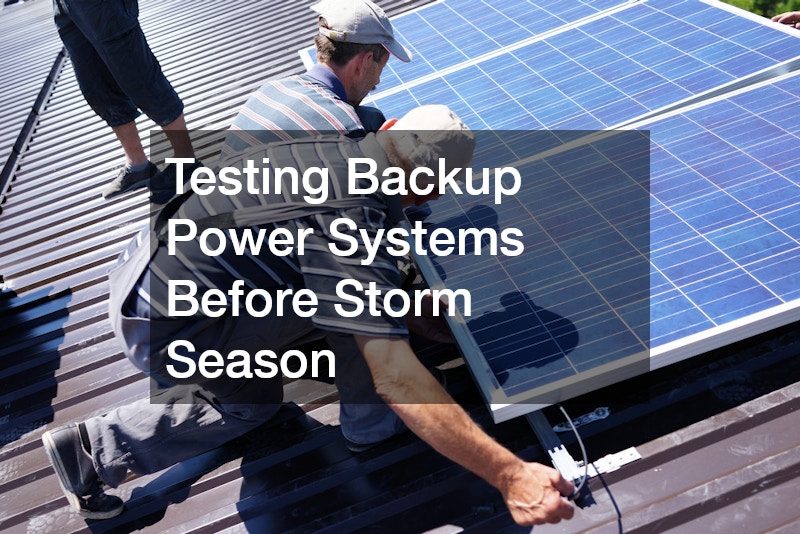
Testing Backup Power Systems Before Storm Season
Running Equipment Before Emergencies Occur
Many homeowners purchase backup generators and assume they’ll function properly whenever needed. Unfortunately, equipment that sits unused for long periods may develop issues without obvious warning signs.
Monthly testing allows homeowners to verify proper operation while identifying potential concerns early.
During routine checks, inspect:
- Fuel levels
- Battery condition
- Wiring connections
- Air filters
- Startup performance
Regular testing builds confidence that the system will perform when needed most.
Preparing for Unexpected Outages
Severe weather events can leave homes without power for extended periods. A backup generator can help maintain essential services, but only if it remains in good working condition.
If the unit struggles to start, runs inconsistently, or displays warning indicators, professional generator repair may be necessary before the next storm arrives.
Addressing concerns proactively is far less stressful than discovering a malfunction during an emergency.
Identifying Small Problems Before They Become Major Expenses
Learning to Spot Changes Around the Home
Many costly repairs begin with subtle warning signs that homeowners either overlook or dismiss. A faint water stain on a ceiling, a slight crack near a window frame, or a room that suddenly feels warmer than usual may not seem urgent. However, these small indicators often point to larger issues developing behind the scenes.
One of the most effective habits homeowners can develop is simply paying attention. Walking around the property every few weeks with a critical eye can reveal changes that might otherwise go unnoticed. This doesn’t require special tools or technical knowledge. The goal is simply to notice what looks different than it did before.
For example, a homeowner may discover a small patch of discoloration on an exterior wall after a rainy season. Investigating the cause immediately could reveal a drainage issue that is relatively inexpensive to correct. Ignoring it for another year, however, may result in water intrusion, mold growth, or structural damage.
The earlier a problem is discovered, the more options are usually available for addressing it affordably.
Adapting Maintenance Priorities to Local Weather Conditions
Understanding Regional Risks
Every home faces different maintenance challenges depending on its location. Coastal properties deal with salt exposure and humidity, northern homes must withstand freeze-thaw cycles, and areas prone to severe storms often experience increased wear on exterior systems.
A maintenance plan should reflect these realities rather than relying on a generic checklist.
For instance, homeowners in areas with frequent heavy rainfall may need to inspect drainage systems more often than those living in dry climates. Likewise, homes located in regions with intense summer heat may benefit from more frequent evaluations of cooling equipment and insulation performance.
Understanding local environmental conditions helps homeowners focus their time and resources where they will have the greatest impact.
Adjusting Seasonal Inspections Accordingly
Instead of performing the same tasks every year regardless of circumstances, evaluate how recent weather events may have affected the property.
Questions worth asking include:
- Has there been an unusually wet season?
- Were there recent high-wind events?
- Has the area experienced extreme heat or freezing temperatures?
- Are there new signs of erosion or standing water?
Using seasonal conditions as a guide creates a more responsive and effective maintenance strategy.
Creating a Practical Budget for Preventive Maintenance
Planning for Maintenance Before Repairs Are Needed
One reason homeowners postpone maintenance is financial uncertainty. People often view maintenance expenses as optional until a serious problem develops. Unfortunately, emergency repairs are almost always more expensive than preventive care.
Setting aside a dedicated maintenance budget each month can make routine upkeep much easier to manage. Even a modest amount accumulated throughout the year can cover inspections, tune-ups, cleaning services, and minor repairs.
This approach transforms maintenance from an unexpected expense into a planned investment.
Comparing Prevention Costs With Repair Costs
The financial difference between preventive care and emergency repairs is often substantial.
A routine inspection may identify a minor issue that costs very little to correct. If left unresolved, that same issue could lead to water damage, equipment failure, or structural deterioration requiring significantly more extensive work.
Homeowners who budget for preventive maintenance often experience fewer financial surprises because they are addressing problems while they are still manageable. Over time, this proactive approach helps protect both the home and the household budget, making long-term ownership less stressful and more predictable.
Building Long-Term Maintenance Habits
Viewing Maintenance as an Investment
One of the biggest misconceptions about home upkeep is that it represents an ongoing expense without immediate benefits.
In reality, preventive maintenance often produces substantial savings by reducing emergency repairs, extending equipment life, and preserving property value.
A homeowner who spends a few hours each season inspecting critical systems is often able to avoid many of the expensive surprises that catch others off guard.
Knowing When Professional Help Makes Sense
While many maintenance tasks can be handled independently, there are situations where professional expertise is essential.
Structural concerns, electrical issues, major leaks, and complex mechanical problems should never be ignored or delayed.
The most effective maintenance strategy combines routine homeowner inspections with timely professional evaluations. Together, they create a proactive approach that keeps a home safer, more efficient, and less expensive to maintain over the long term.
Seasonal upkeep is not about perfection. It’s about consistency. Small inspections, simple preventive measures, and prompt attention to emerging problems can dramatically reduce the likelihood of costly repairs. By making maintenance part of a regular routine, homeowners can protect their investment, improve comfort, and enjoy greater peace of mind throughout every season of the year.