

An annual home inspection is one of the most practical habits a homeowner can develop. Unlike reactive repairs that occur after visible damage appears, preventive inspections focus on identifying weaknesses before they escalate. Every home is made up of interconnected systems, including roofing, electrical wiring, plumbing, climate control, landscaping, and exterior structures. When one component begins to fail, it often affects several others. Small leaks can damage insulation, faulty wiring can strain appliances, and clogged drains can create pressure throughout plumbing lines. By committing to a thorough yearly review, homeowners reduce unexpected emergencies and preserve both safety and property value.
A well-organized inspection should follow a structured checklist that moves from the top of the home downward and then outward to surrounding property features. This systematic approach ensures that no area is overlooked. Documentation is equally important. Keeping written records, photographs, and notes about minor concerns allows homeowners to track patterns over time. If small cracks grow or moisture spots expand, early documentation helps determine urgency. Annual inspections also support budgeting, since identifying future maintenance needs in advance allows for strategic financial planning.
This guide outlines ten key areas to evaluate each year. By addressing roofing, landscaping, climate systems, electrical infrastructure, plumbing, and outdoor features in a deliberate order, homeowners can prevent minor wear from turning into major structural concerns. Preventive maintenance is not about finding problems—it is about protecting long-term stability before they start.
Checking the Condition of Your Roof
Your roof is the first barrier between your home and the elements, which makes it one of the most critical systems to inspect annually. Early signs that roof repairs may be necessary often appear subtle, such as loose shingles, small granule loss, or minor flashing separation around vents and chimneys. These seemingly minor issues can allow water to infiltrate under roofing materials and travel along decking boards. Moisture intrusion does not always present itself directly below the affected area, which makes early detection essential.
During your inspection, examine the roofline from the ground using binoculars if necessary, and look for uneven surfaces or discoloration. In the attic, check for water stains, damp insulation, or light penetration through boards. Proper ventilation should also be assessed to prevent condensation buildup. Without adequate airflow, trapped heat and moisture can shorten the lifespan of roofing materials significantly.
Gutters should be cleared and secured while reviewing the roof, as blocked drainage can contribute to standing water along the roof’s edge. Annual inspections reduce the risk of sudden leaks during heavy storms. Addressing minor roofing concerns promptly helps protect ceilings, insulation, and interior finishes from avoidable water damage.
Evaluating Surrounding Trees and Vegetation

Landscaping plays a direct role in structural safety. Overhanging limbs and unstable trees can damage siding and roofing materials if left unchecked. Scheduling routine tree services allows homeowners to identify weakened branches or root systems that threaten foundations and walkways. Tree roots often expand toward water sources, which can compromise underground pipes or shift paving surfaces.
An annual inspection should include examining tree proximity to the home and checking for signs of decay or insect damage in trunks. Dead limbs should be removed before storm season to reduce risk. Maintaining adequate clearance between branches and roofing surfaces prevents abrasion and debris buildup.
Beyond safety, proper tree care enhances drainage patterns and sunlight exposure around the property. Controlled growth reduces moisture retention near siding and minimizes pest habitats. By incorporating tree evaluation into your annual checklist, you strengthen both structural integrity and landscape health.
Inspecting Exterior Surfaces and Finishes
Exterior paint acts as a protective barrier against moisture, sun exposure, and environmental wear. If peeling, cracking, or fading appears, consulting a local painting company may be necessary to preserve siding materials. Paint deterioration allows water to penetrate beneath surfaces, increasing the risk of wood rot and structural compromise.
During your inspection, examine trim, siding seams, and window frames for signs of bubbling or discoloration. Caulking around windows and doors should remain flexible and intact. Replacing damaged sealant prevents drafts and moisture entry.
Power washing exterior surfaces annually can remove mold and mildew buildup. Documenting changes in paint condition year to year helps track wear patterns. Timely repainting maintains both curb appeal and long-term durability of the home’s exterior shell.
Reviewing Cooling System Performance
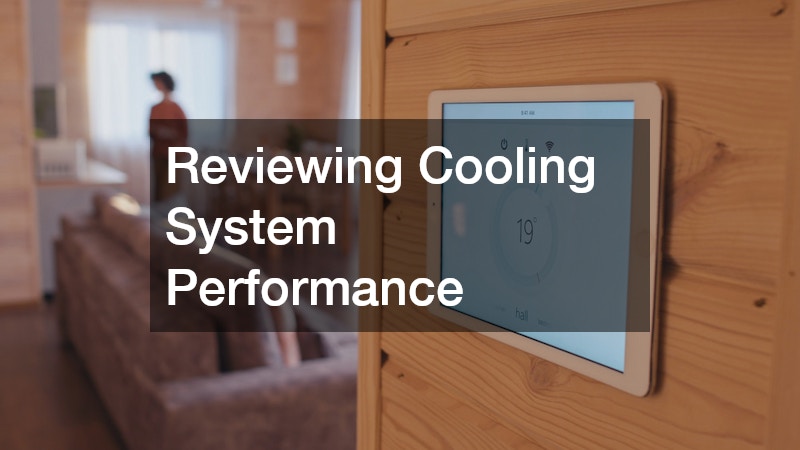
Climate control systems experience heavy seasonal use, making annual evaluations essential. Signs that ac repairs may be needed include weak airflow, inconsistent cooling, or rising energy bills. Dirty filters, clogged coils, or refrigerant issues can reduce efficiency and strain components.
Homeowners should inspect outdoor condenser units for debris and ensure adequate clearance around equipment. Inside, listen for unusual noises or cycling patterns. Uneven temperatures between rooms may signal duct leakage or insulation gaps.
Scheduling professional servicing before peak summer demand prevents emergency breakdowns. Annual system cleaning and calibration extend equipment lifespan and maintain indoor comfort. A well-functioning cooling system protects both occupants and interior materials from humidity-related stress.
Assessing Electrical Safety and Capacity
Electrical systems should be reviewed annually to prevent fire hazards and system overload. Engaging residential electrician services can help identify outdated wiring, loose connections, or panel capacity concerns. Flickering lights or frequently tripped breakers may indicate underlying strain.
Homeowners should test smoke detectors and inspect outlet covers for discoloration or heat damage. Ground fault protection in kitchens and bathrooms should be verified regularly. Over time, increased appliance usage may exceed the original electrical design capacity of older homes. Maintaining updated wiring and panels ensures compatibility with modern technology. An organized electrical inspection safeguards occupants and reduces the likelihood of costly emergency repairs.
Verifying Temperature Control Accuracy
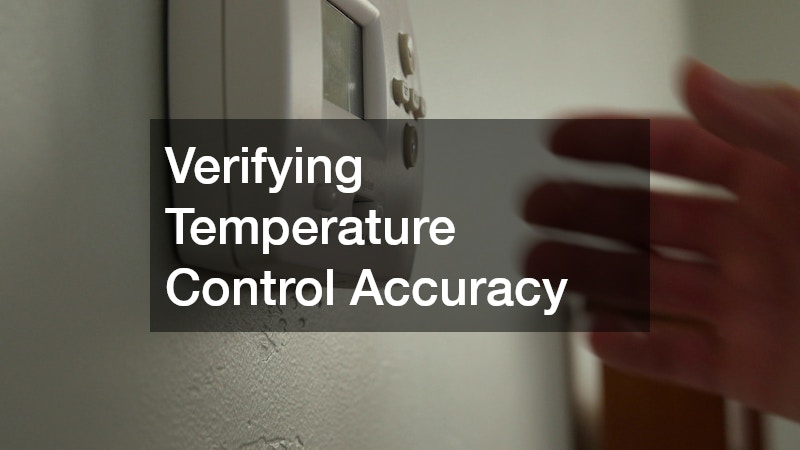
In addition to cooling systems, thermostats require periodic evaluation. Thermostat repairs may become necessary if indoor temperatures do not match programmed settings or if the unit responds inconsistently. Faulty sensors can cause systems to cycle inefficiently.
Homeowners should recalibrate settings seasonally and verify battery life where applicable. Placement of thermostats away from heat sources ensures accurate readings. Annual testing improves system efficiency and prevents unnecessary strain on HVAC equipment. Reliable temperature control contributes to energy savings and consistent comfort throughout the home.
Thermostats function as the communication hub between homeowners and HVAC systems, making calibration essential. During annual checks, homeowners should compare thermostat readings with independent thermometers to verify accuracy. Dust accumulation within units can interfere with sensor performance and should be cleaned carefully. Programming seasonal schedules improves efficiency and reduces unnecessary runtime. Smart thermostats may require software updates to maintain optimal functionality. Ensuring proper wiring connections behind the unit prevents intermittent communication failures. Homeowners should also confirm that batteries are replaced regularly if applicable. Reviewing temperature settings for both heating and cooling cycles ensures consistency year-round. A properly functioning thermostat enhances comfort while reducing system strain.
Examining Plumbing Flow and Drainage
Plumbing systems should be inspected beyond visible fixtures. Scheduling preventative maintenance with a reputable drain cleaning company can remove buildup before blockages occur. Slow drainage or recurring clogs signal deeper concerns within pipes.
Homeowners should inspect exposed pipes for corrosion or leaks and monitor water pressure levels. Testing shutoff valves ensures readiness during emergencies. Routine drain maintenance reduces strain on sewer lines and prevents unpleasant backups. Addressing minor plumbing concerns early supports sanitation and structural protection.
In addition to clearing buildup, homeowners should conduct annual inspections of exposed plumbing joints for subtle moisture accumulation. Even minor drips can cause cabinet damage and mold growth over time. Testing water pressure at multiple fixtures helps identify hidden obstructions or valve issues. Sump pumps, if present, should be tested to ensure automatic activation during heavy rainfall. Inspecting sewer cleanout access points for obstructions supports system reliability. It is also advisable to flush water heaters to remove sediment that can migrate into pipes. Installing simple leak detection devices beneath sinks provides early alerts. Maintaining detailed plumbing service records aids in long-term system evaluation. Preventive plumbing care reduces emergency disruptions and preserves sanitation.
Preparing Backup Power Systems

Power outages can occur unexpectedly, making backup systems an important part of annual inspection routines. Homeowners with whole house generators should test functionality and fuel supply at least once per year. Proper ventilation and wiring connections must remain secure and compliant.
Battery backups and transfer switches should be inspected for corrosion or wear. Documenting maintenance schedules ensures equipment remains operational during emergencies. Reliable backup power supports heating, cooling, and refrigeration during outages. Annual checks reinforce preparedness and safety.
Backup generators require more than occasional startup testing. Homeowners should inspect fuel lines, filters, and ventilation pathways annually to ensure safe operation. Oil changes and routine engine servicing help maintain reliability. Transfer switches must operate smoothly to prevent electrical surges during outages. It is also important to verify that generator capacity aligns with current household energy demands. If new appliances have been installed, load calculations may need adjustment. Keeping spare fuel and maintenance supplies on hand supports readiness. Testing systems under simulated outage conditions confirms operational performance. Detailed service logs help track maintenance intervals and warranty compliance. A dependable backup power system strengthens household resilience during unexpected disruptions.
Inspecting Outdoor Enclosures and Additions
Outdoor living spaces require consistent oversight to maintain durability. Consulting experienced screen room builders can help assess enclosure stability and frame integrity. Loose fasteners or torn mesh panels should be repaired promptly.
Homeowners should examine anchoring points and inspect for moisture accumulation near foundations. Cleaning screens and resealing joints prevents long-term deterioration. Regular evaluation of outdoor enclosures extends their lifespan and protects interior areas from weather intrusion.
Outdoor enclosures should be evaluated for structural stability and material fatigue annually. Homeowners should inspect anchor bolts and fasteners for corrosion or loosening. Checking the condition of framing materials prevents progressive weakening due to weather exposure. Drainage around the perimeter should remain unobstructed to avoid pooling near structural bases. Sealing minor gaps or tears in screening materials prevents insects from entering. Cleaning structural components reduces debris buildup that can accelerate wear. Reviewing warranty coverage for enclosure components provides clarity for future repairs. Seasonal inspections after storms ensure no hidden damage has occurred. Consistent oversight extends the lifespan of outdoor living areas and protects adjacent structures.
Testing Irrigation and Water Management
Landscape irrigation systems must be reviewed annually to prevent leaks and water waste. Sprinkler systems should be tested for even distribution and proper timing. Broken heads or misaligned spray patterns can damage plants and increase utility costs.
Homeowners should inspect underground valves and backflow preventers. Seasonal adjustments prevent overwatering and soil erosion. Maintaining irrigation efficiency supports landscape health and foundation stability. Preventive water management reduces long-term structural risk.
Irrigation inspections should include checking timer settings to match seasonal rainfall patterns. Overwatering not only wastes resources but can also weaken soil stability near foundations. Homeowners should walk the property while the system runs to identify broken sprinkler heads or uneven spray coverage. Inspecting underground lines for leaks prevents soil saturation and landscape damage. Backflow preventers must remain operational to protect potable water supplies. Cleaning clogged nozzles improves distribution efficiency. Adjusting spray angles ensures water reaches intended areas without soaking siding or windows. Documenting irrigation maintenance activities supports long-term landscape planning. A properly maintained water management system strengthens both plant health and structural stability.
An annual home inspection is not simply a checklist—it is a strategic investment in long-term property health. By examining roofing, landscaping, exterior finishes, climate systems, electrical components, plumbing, and outdoor structures methodically, homeowners reduce unexpected disruptions. Preventive maintenance transforms potential emergencies into manageable tasks. When small concerns are identified early, repairs remain straightforward and affordable.
With organized documentation and consistent yearly reviews, homeowners build confidence in their property’s stability. A proactive inspection routine ensures that problems are addressed before they start, preserving safety, comfort, and long-term value for years to come.