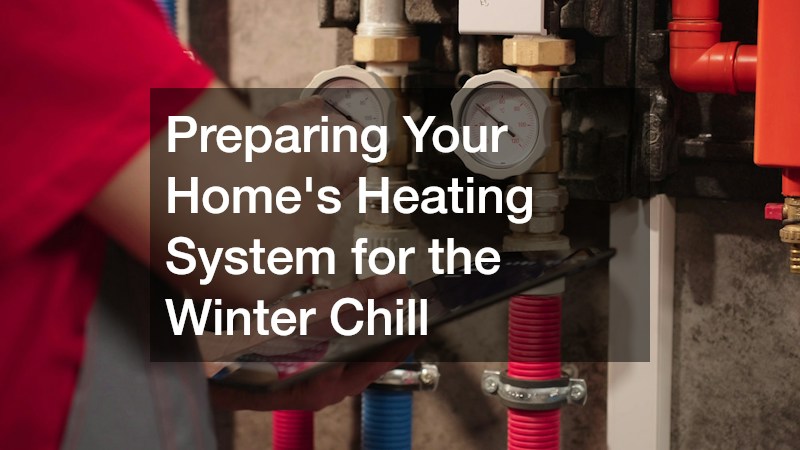

As winter approaches, ensuring your home’s heating system is in top condition becomes a priority. Preparing your home properly will not only provide comfort but also enhance efficiency and cost-effectiveness. Knowing how to maintain and choose the right services ensures warmth and safety throughout the cold months.

1. How often should I schedule an HVAC Service?
Importance of regular maintenance
Regular maintenance of your heating system is crucial for optimal performance. Neglecting routine check-ups can lead to decreased efficiency and unexpected breakdowns. By regularly scheduling an HVAC Service, you ensure that your system runs smoothly and efficiently.
In addition to efficiency, regular maintenance extends the life of your heating equipment. Through consistent care, small issues are addressed before they escalate into costly repairs. This proactive approach not only retains the value of your system but also prevents inconvenient downtime during colder months.
Recommended schedule for service appointments
Experts recommend scheduling HVAC Services at least once a year, ideally during the fall. This timing ensures your system is ready to handle the increased demand of winter months. Seasonal inspections can diagnose and solve potential issues before they become problematic.
Annual check-ups help maintain the warranty of some HVAC units, as manufacturers often require proof of regular maintenance. Furthermore, an annual service can provide peace of mind by ensuring all components are functioning correctly. By adhering to a recommended schedule, you maximize your heating system’s lifespan and efficiency.
2. What criteria should I use to choose a Heating company?
Evaluating credentials and experience
Choosing the right Heating company involves careful evaluation of their credentials and experience. A company with a proven track record and satisfied customer reviews is likely to deliver satisfactory services. Certified technicians ensure your HVAC system is handled by knowledgeable professionals.
Experience in the field enhances a company’s ability to diagnose and tackle various HVAC issues. Companies with extensive experience are adept at identifying potential problems and recommending effective solutions. Newer companies may offer innovative methods, but experience often proves invaluable in the long term.
Comparing quotes and services offered
Comparing quotes from different companies ensures you receive competitive pricing for Heating services. It’s important to obtain detailed proposals that clearly outline what the service includes and any extra costs involved. However, the lowest bid isn’t always the best option if it compromises on quality.
Besides cost, evaluate the range of services each Heating company provides. A broader range of services indicates a company’s flexibility and capability to handle diverse heating issues. Comprehensive services might include plumbing and HVAC solutions, which could be beneficial for integrated home systems.
3. What can I expect during a visit from heating contractors?
Typical procedures and checks
Heating contractors typically start with a thorough inspection of the heating system. They check for wear and tear, ensuring all components are in working order to prevent potential breakdowns. Part of their service involves cleaning and optimizing the system to enhance its performance.
During these visits, contractors often verify the integrity of electrical connections and gas lines for safety. Checking thermostat operation is also common, ensuring accurate temperature regulation. Professional heating contractors also advise on any necessary repairs or replacements to maintain system efficiency.
Safety and compliance with regulations
Safety checks are paramount during any HVAC visit to comply with industry regulations and standards. Contractors ensure that all heating components meet the necessary safety codes to prevent hazards such as carbon monoxide leaks. Regular inspections by certified professionals minimize risks and enhance household safety.
Compliance with local regulations is crucial not only for safety but also for insurance purposes. Any modifications or repairs need to follow jurisdictional codes to preserve system warranties and avoid future penalties. Trustworthy heating contractors stay updated with the latest regulations, ensuring your system is legally compliant.

4. How do plumbing and HVAC solutions integrate?
The role of plumbing in heating systems
Plumbing plays an essential role in certain heating systems, such as boilers and radiant heating solutions. These systems rely on water circulation through pipes to deliver heat efficiently throughout a home. Proper plumbing ensures that water flows freely, preventing clogs that can disrupt the heating process.
The functionality of certain HVAC systems, including water heaters, also depends on seamless plumbing integration. Plumbing issues can compromise these systems by causing leaks or pressure imbalances, leading to inefficient heating. Correctly installed and maintained plumbing is vital for optimizing the performance of HVAC solutions.
Ensuring coordination between systems
Effective integration of plumbing and HVAC solutions requires coordination between the two systems. This might involve adjusting existing plumbing to accommodate new HVAC installations, ensuring optimal performance and energy efficiency. Coordination also ensures that water and heat distribution are synchronized, reducing strain on the system.
Working with professionals who understand both plumbing and HVAC solutions ensures a holistic approach to your home’s heating needs. Contractors who are skilled in both areas can identify and resolve potential conflicts between systems. Properly integrated services result in improved efficiency and longevity of the heating system.
5. What are the latest trends in HVAC installations?
Advances in technology
The HVAC industry continually evolves with technological advancements geared towards enhancing efficiency and comfort. Smart thermostats and connected systems are increasingly popular, offering homeowners greater control and energy savings. These technologies allow for remote monitoring and adjustments, optimizing heating based on real-time data.
In addition, modern HVAC installations are increasingly featuring variable-speed systems. These systems adjust the flow of heating and cooling dynamically, reducing energy consumption and improving indoor temperature consistency. Incorporating advances in technology into HVAC setups enhances overall home comfort.
Environmental considerations
Environmental sustainability is a growing focus within the HVAC industry, leading to the adoption of eco-friendly equipment and practices. Homeowners are increasingly opting for systems that use less energy and maximize the use of renewable resources, such as geothermal heat pumps.
Eco-friendly HVAC installations prioritize reducing the carbon footprint without sacrificing performance. Innovations such as energy-efficient furnaces and air conditioners contribute to lower utility bills and less environmental impact. By integrating these green technologies, homes can maintain comfort while supporting environmental responsibility.
6. How do I select the right Heating services for my home?
Assessing your heating needs
Determining the right Heating services for your home begins with assessing your heating needs. Factors such as local climate, house size, and insulation levels influence the necessary heating capacity. Conducting an energy audit can help identify areas where efficiency improvements are needed.
Understanding your specific requirements allows for tailored services that maximize comfort and efficiency. A professional assessment can reveal if your existing system meets your needs or if upgrades are necessary. With this information, you can choose Heating services that precisely address your home’s unique requirements.
Selecting services based on home size and type
The choice of Heating services should also consider the size and type of your home for optimal performance. Large homes may benefit from zoned heating systems, which allow for independent temperature control in different areas. Conversely, smaller homes or apartments might require more compact solutions.
Additional factors such as ceiling height and window type also impact heating efficiency. Working with knowledgeable providers ensures recommendations that suit specific architectural features. Customized Heating services accommodate these variables, promoting consistent and effective home heating.
7. What signs indicate I need an HVAC repair?
Common symptoms of system issues
Recognizing when your HVAC system requires repair can prevent minor issues from developing into major problems. Unusual noises such as banging or grinding often signal mechanical issues needing immediate attention. A sudden increase in energy bills may indicate your system is overworking, suggesting a potential malfunction.
Inconsistent room temperatures or weak airflow can also be symptomatic of underlying issues within the system. Discoloration of pilot lights typically found in gas-powered furnaces should not be ignored, as they can signify hazardous leaks. Early detection of these signs facilitates timely HVAC repair, preventing further complications.
When to seek professional help
Knowing when to contact a professional for HVAC repair can save both time and money. While some minor issues can be resolved with basic troubleshooting, persistent problems require expert intervention. If basic maintenance does not rectify symptoms such as inconsistent heating, it’s best to consult a professional.
Additionally, if you’re unfamiliar with complex systems or safety risks arise, seeking professional assistance is vital. HVAC technicians possess the expertise to accurately diagnose and resolve system defects. Relying on professionals ensures problems are resolved effectively and safely.
8. How do I find a reputable furnace repair service?
Online reviews and recommendations
Online reviews provide valuable insights into the reliability and quality of a furnace repair service. Reading customer feedback helps gauge the experiences of others with specific companies, thus informing your choice. Reputable services have consistently positive reviews, indicating customer satisfaction and trustworthy work.
In addition to reviews, seeking recommendations from friends or family can also direct you to quality services. Personal referrals often highlight exceptional service and customer care that may not be otherwise apparent. Combined, these resources provide a reliable starting point for selecting a furnace repair service.
Evaluating credentials and certifications
Ensuring that a furnace repair service holds the relevant credentials and certifications is essential for peace of mind. Certification verifies that technicians possess the required training and knowledge to perform repairs safely. It’s essential to confirm that the service complies with local and national regulatory standards.
Accredited companies are more likely to adhere to industry best practices, offering reliable and efficient services. Additionally, certifications such as those from recognized HVAC organizations signal a commitment to quality and expertise. Evaluating these credentials helps ensure you’re hiring qualified professionals for your furnace needs.
9. What can local HVAC contractors offer over national chains?
Benefits of local knowledge and expertise
Local HVAC contractors possess unique knowledge and expertise tailored to specific regional needs and climate conditions. They are familiar with the common heating challenges and regulations in your area, providing solutions that are most effective locally. Local expertise can result in more personalized and accurate service for your home’s heating needs.
Supporting your local economy
Hiring local HVAC contractors contributes positively to the local economy. Supporting local businesses fosters job creation and stimulates economic growth within your community. Additionally, fees and taxes paid by local companies are reinvested into the community, enhancing resources and development.
10. What maintenance should I perform on my Heat pumps?
Seasonal maintenance tips
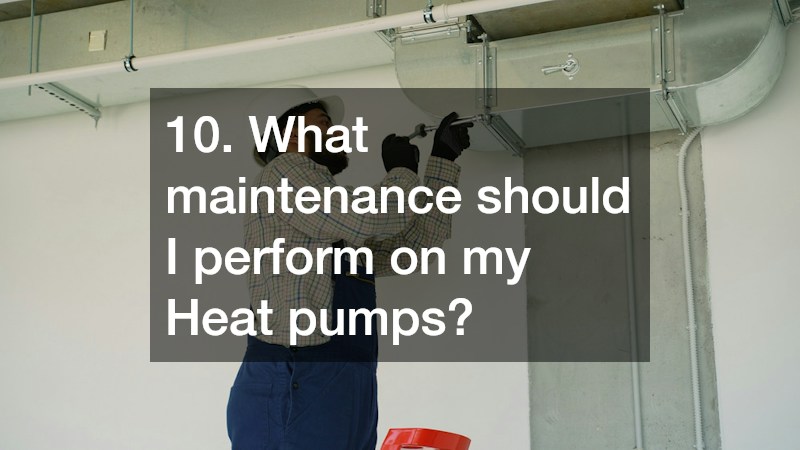
Regular seasonal maintenance of Heat pumps is essential for efficient operation throughout the year. Cleaning or replacing filters periodically ensures optimal airflow and prevents unnecessary strain on the system. In addition, inspecting and cleaning outdoor units helps remove debris that might disrupt heat transfer efficiency.
Common issues and troubleshooting
Common issues with Heat pumps include frozen coils, unusual noises, or inadequate heating. When these symptoms occur, a basic inspection may reveal simple remedies, such as adjusting the thermostat or clearing debris from the unit. In some cases, resetting the system might resolve minor issues temporarily.
11. How can I improve the efficiency of my home’s heating system?
Energy-saving tips
Improving the efficiency of your home’s heating system involves adopting effective energy-saving strategies. Installing programmable thermostats allows for customizable heating schedules, reducing unnecessary energy consumption. Regularly sealing drafts, replacing faulty insulation, and ensuring effective window sealing can minimize heat loss.
Upgrading components for efficiency
Upgrading certain components of your heating system can significantly boost energy efficiency. Modern, high-efficiency furnaces or boilers use up less energy while delivering superior performance. Investing in these newer models can translate into long-term savings and enhanced environmental impact.
12. How does regular maintenance impact the lifespan of HVAC equipment?
Understanding wear and tear
Exposure to continuous operation causes natural wear and tear on HVAC components over time. Regular maintenance identifies early signs of deterioration, allowing for timely repairs before more severe damage occurs. Addressing wear and tear proactively prevents system failures and prolongs equipment life.
Cost benefits over time
Regular maintenance offers considerable cost benefits by reducing the likelihood of major repairs or replacements. Consistently serviced systems are less likely to suffer catastrophic failures that result in costly downtime and expensive emergency interventions. Preventative measures conserve system resources, providing extended utility.
Conclusion
By taking proactive steps to prepare your home’s heating system, you ensure comfort and efficiency throughout the cold months. Regular maintenance and informed decisions about heating services will contribute to a reliable and effective heating experience. Staying informed and prepared ensures that your home remains a warm haven against the winter chill.