
Your outdoor living space can become one of the most enjoyable parts of your property, but keeping it inviting requires regular attention. A well-maintained yard, patio, deck, and surrounding landscape can provide a comfortable place to relax, entertain guests, enjoy meals, or spend time with family. Without consistent care, however, outdoor areas can quickly begin to look overgrown, weathered, or neglected.
Maintaining an outdoor space does not necessarily mean spending every weekend on extensive projects. Small, consistent improvements can make a noticeable difference in how your property looks and functions. Cleaning outdoor surfaces, caring for plants, checking structures, managing water use, and addressing potential hazards early can all contribute to a more attractive and usable space.
Whether you are updating an established yard or caring for a recently improved outdoor area, creating a practical maintenance routine can make the work more manageable. The following tips can help you protect the features around your property while creating an outdoor environment that remains comfortable and attractive throughout the year.
Creating a Well-Maintained Landscape
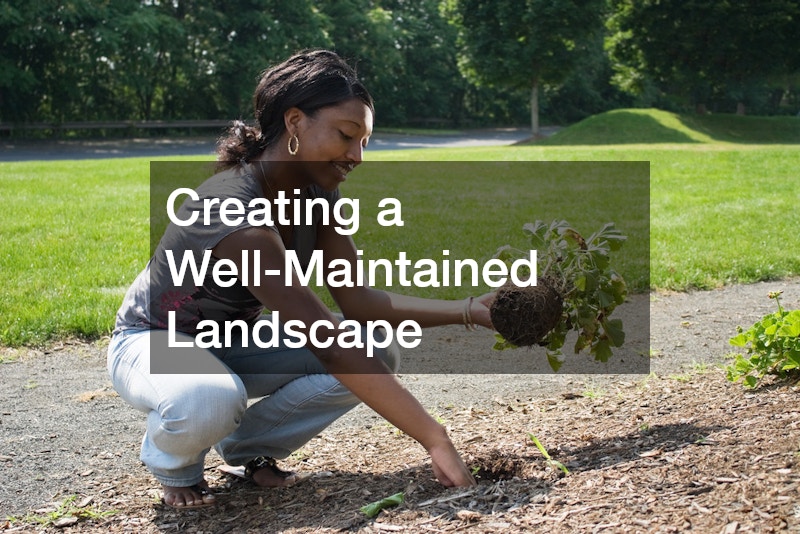
A well-maintained landscape starts with a plan that considers how different areas of the property are used. Instead of focusing only on individual plants or decorative features, consider the entire outdoor area. Walkways, planting beds, open lawn areas, trees, fences, and gathering spaces should work together to create a cohesive environment.
Professional landscape contractors can help homeowners evaluate the layout of an outdoor space and determine which improvements may provide the most value. They can assist with planting arrangements, drainage considerations, hardscaping, maintenance planning, and other aspects of landscape design. Professional guidance can also be useful when a property has areas that are difficult to maintain or where existing landscaping has become overgrown.
Regular maintenance is just as important as the original design. Keep walkways clear of leaves and debris, remove weeds before they spread, and trim plants that are beginning to obstruct paths or outdoor features. Mulching planting beds can help create a cleaner appearance while supporting moisture retention. It is also useful to monitor plants for signs of stress so potential problems can be addressed before they become more difficult to manage.
When choosing new plants, consider their mature size, sunlight requirements, watering needs, and compatibility with the surrounding landscape. Selecting plants suited to the property can reduce ongoing maintenance and help the outdoor area remain attractive with less effort.
Improving the Foundation for Healthy Plants
Healthy landscaping depends on more than sunlight and water. The condition of the growing environment can have a major effect on how well plants establish themselves and continue to grow. Poorly prepared or compacted soil may make it difficult for roots to receive adequate air, moisture, and nutrients.
Before adding plants to a garden bed, examine the existing soil and determine whether it needs improvement. A soil test can provide useful information about its characteristics and nutrient levels. Depending on the results, amendments may be appropriate to improve the growing environment for particular plants.
Garden soil should also be managed carefully throughout the year. Avoid repeatedly walking across planting beds, as foot traffic can compact the soil. When adding organic material, incorporate it appropriately rather than creating conditions that may interfere with drainage or root development.
Mulch can be another helpful part of a maintenance routine. A suitable layer around plants can help moderate soil moisture and temperature while reducing competition from weeds. However, mulch should not be piled directly against tree trunks or plant stems. Excess moisture around these areas can contribute to problems that affect plant health.
Pay attention to drainage as well. Water that consistently collects in a planting bed may indicate an underlying drainage issue rather than a simple watering problem. Addressing the cause can help protect plant roots and prevent recurring problems.
Protecting Your Property With a Durable Fence
Fencing can serve several purposes in an outdoor living space. It can provide privacy, define property boundaries, help contain pets, and create a visual backdrop for landscaping. Because fencing is exposed to weather throughout the year, regular inspection and maintenance can help extend its useful life.
Cedar fencing is a popular choice for outdoor properties because cedar has a natural appearance that can complement many landscape styles. Like other outdoor wood products, cedar still requires appropriate care to help it withstand moisture, sunlight, temperature changes, and everyday wear.
Inspect your fence periodically for loose boards, damaged sections, leaning posts, or signs of deterioration. Pay particular attention to the portions closest to the ground, where repeated exposure to moisture can create additional wear. Addressing small issues early may help prevent more extensive repairs later.
Keeping vegetation from growing directly against a fence can also make maintenance easier. Vines, branches, and dense plants can trap moisture and make it more difficult to inspect the fencing. Trim surrounding vegetation as needed while preserving the landscaping design.
Cleaning and protective treatments may also be appropriate depending on the type and age of the fence. Follow the manufacturer’s recommendations for cleaning products and finishes to avoid damaging the material. With regular attention, a well-maintained fence can remain both functional and visually appealing.
Building a Comfortable Outdoor Retreat
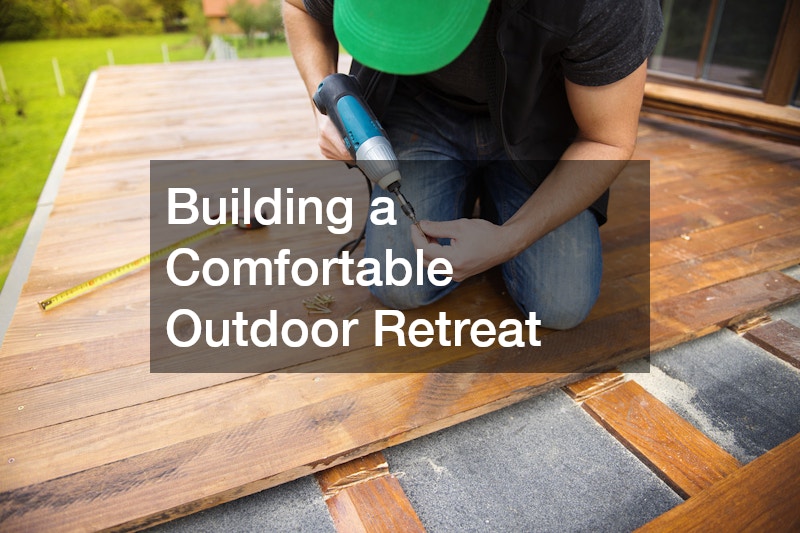
A deck can transform an otherwise underused part of a property into a practical gathering area. It can provide space for outdoor dining, seating, grilling, or simply relaxing in the fresh air. Creating a comfortable deck area starts with choosing a design that suits the property and the way you intend to use it.
Working with a deck builder can help you think through factors such as size, layout, stairs, railings, lighting, seating areas, and access from the home. It is important to consider how many people will typically use the space and what activities will take place there. A deck intended primarily for quiet relaxation may have different requirements than one designed for frequent entertaining.
The surrounding landscape should also be considered. Trees can provide natural shade, while strategically positioned plants can make the deck feel more connected to the yard. At the same time, vegetation should be positioned so roots, branches, and falling debris do not create unnecessary maintenance problems.
Safety should remain a priority throughout the design and maintenance process. Inspect railings, stairs, fasteners, and walking surfaces regularly. If you notice movement, deterioration, or another structural concern, have the issue evaluated rather than continuing to use the area without addressing it.
Choosing a Durable Decking Material
The material used for a deck can influence its appearance, maintenance requirements, and longevity. Homeowners should consider how much time they want to spend on upkeep, as well as how the material will perform in the property’s environmental conditions.
A composite deck can offer an alternative to traditional wood decking for homeowners seeking a material with different maintenance characteristics. Composite materials are generally designed to resist common outdoor concerns such as moisture and insect damage, although maintenance requirements vary by product.
Before selecting decking, review the manufacturer’s care recommendations and consider how the surface will be used. A deck exposed to heavy foot traffic, outdoor furniture, pets, and frequent gatherings may experience different wear than a smaller space used occasionally.
Regular cleaning is still important. Leaves, dirt, and other debris should not be allowed to accumulate for extended periods. Clean spills promptly, particularly when they could stain the surface. Check the manufacturer’s instructions before using cleaning solutions, pressure washers, or other equipment.
It is also helpful to inspect the entire deck periodically rather than focusing only on the walking surface. Look at stairs, railings, connections, and the area beneath the deck for signs of damage or deterioration. Early attention can help keep the outdoor space functional and attractive.
Keeping Your Deck Safe and Beautiful
Even a well-designed deck needs ongoing care. Weather, frequent use, furniture, and exposure to moisture can gradually affect outdoor surfaces and structural components. A consistent inspection routine can help identify issues before they interfere with the way you use the space.
A deck contractor can evaluate concerns involving decking, railings, stairs, or other components and determine whether repairs or improvements are appropriate. Professional assistance may be especially valuable when you notice structural movement, damaged boards, deteriorating connections, or other problems that could affect safety.
For routine care, keep the deck free of leaves and debris. Move outdoor furniture periodically so you can inspect the surface underneath it. Look for areas where water may collect and check whether drainage is functioning properly.
Furniture pads can help reduce wear in areas where chairs and tables are frequently moved. Outdoor rugs should also be used according to the decking manufacturer’s recommendations, as some materials can trap moisture or leave marks.
When cleaning, use methods appropriate for the decking material. Avoid assuming that a product or technique suitable for one type of deck will be safe for another. Proper care can help preserve the appearance of the space while reducing unnecessary wear.
Removing Trees That Pose a Risk
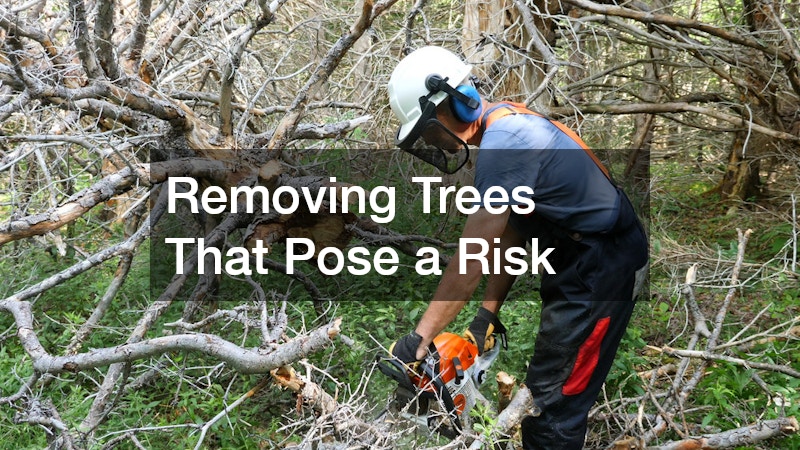
Trees can add shade, beauty, and character to an outdoor living space, but damaged or poorly positioned trees may create safety concerns. Dead branches, storm damage, disease, unstable trunks, or proximity to structures can all warrant closer attention.
A qualified tree remover can assess a tree that appears hazardous and determine the safest approach for addressing it. Tree removal can involve significant equipment and risks, particularly when a tree is close to a home, fence, deck, power lines, or other structures. Professional evaluation can help identify potential hazards and determine whether removal is necessary.
Homeowners should regularly look at their trees for obvious warning signs. Large dead branches, cracks, significant leaning, exposed roots, damaged bark, or mushrooms growing near the base may indicate that a tree needs professional evaluation. Storms can also cause damage that is not immediately obvious from the ground.
Avoid waiting until a visibly damaged tree becomes an emergency. Addressing concerns early can make it easier to plan appropriate work and protect nearby outdoor features.
Supporting the Health of Your Trees
Healthy trees can be one of the most valuable features of an outdoor living space. They can provide shade, improve the appearance of the property, and create a natural setting around decks and patios. Proper tree care focuses on maintaining health while identifying potential hazards.
Professional tree service can help with assessments, pruning, removal, and other tree-related needs. The appropriate service depends on the tree’s condition, location, species, and overall objectives for the property.
Homeowners can contribute to tree health by avoiding damage to trunks and roots. Do not attach items to trees in ways that can injure the bark, and be cautious when using lawn equipment around the base of a tree. Heavy equipment and repeated soil compaction around root zones can also create problems.
Watering should be appropriate for the tree and local conditions. Newly planted trees may have different watering needs than established specimens. Avoid creating consistently saturated conditions, as excessive moisture can be harmful to roots.
Regular observation is another important part of tree care. Changes in leaves, bark, branches, or growth patterns can provide clues that something has changed. When an unusual condition appears, professional evaluation can help determine what action, if any, is needed.
Maintaining Trees for a Neat Appearance
Pruning can help keep trees from interfering with outdoor structures, walkways, and other areas of the property. Removing appropriate branches may also improve clearance and contribute to a more orderly landscape.
A professional tree trimmer can determine which branches should be removed and how pruning can be performed while preserving the tree’s structure. Timing and technique matter because improper pruning can cause unnecessary stress or create opportunities for pests and disease.
Trees should not be trimmed simply to reduce their size without considering their natural growth patterns. Excessive removal can affect the tree’s appearance and health. Instead, pruning should have a clear purpose, such as removing dead or damaged branches, improving clearance, or addressing specific structural concerns.
Keep branches away from roofs, gutters, fences, and decks when appropriate. However, avoid making aggressive cuts without professional guidance, particularly on large trees or branches located near structures.
After storms, inspect trees for broken limbs or hanging branches. Some damaged branches may remain suspended and create hazards even when they appear relatively small from the ground. Professional assistance is the safest option for evaluating and addressing difficult or elevated tree concerns.
Keeping Your Lawn Green and Healthy

A healthy lawn can tie an entire outdoor living space together. Consistent watering is an important part of maintaining grass, but more water is not necessarily better. Overwatering can waste resources and contribute to shallow roots or other lawn problems.
A lawn irrigation company can evaluate an irrigation system and help identify issues such as uneven coverage, damaged components, inefficient watering schedules, or poorly positioned sprinkler heads. A properly maintained system can help deliver water where it is needed while reducing unnecessary runoff.
Check irrigation equipment regularly for visible leaks, broken heads, or areas that appear to receive too much or too little water. Sprinkler heads can become blocked or shifted over time, affecting the coverage pattern. Vegetation can also grow into areas where it interferes with irrigation.
Adjust watering based on seasonal conditions rather than relying on one schedule throughout the year. Lawns may need less supplemental water during periods of regular rainfall and more during hot, dry conditions. Local restrictions and conservation requirements should also be considered.
Mowing practices matter as well. Avoid cutting grass excessively short, as maintaining an appropriate height can help support healthier growth. Keep mower blades maintained and vary mowing patterns when possible to reduce repeated stress on the same areas.
A consistent maintenance routine can also make larger projects less frequent and more manageable. Cleaning outdoor surfaces, monitoring plants and trees, checking fences and decks, and reviewing irrigation performance throughout the year can help you catch problems early.
By giving your outdoor areas regular attention, you can protect your investment while making the property more enjoyable. Whether you are relaxing on the deck, spending time in the yard, or entertaining friends outside, a cared-for outdoor living space can provide lasting value and enjoyment for years to come.